Office coffee suppliers: a practical buyer's guide for Malaysian offices
If you are an office admin or a procurement manager looking at office coffee suppliers for the first time, the options can feel messier than they should be. Some suppliers sell machines. Some rent them. Some handle everything end to end. And most of them would prefer you did not ask too many hard questions before signing. This guide is written from the perspective of a team that actually runs the machines. We will walk you through what to look for, what to ask, and what to watch out for before you speak to anyone.
What does an office coffee supplier actually do?
At its simplest, an office coffee supplier provides your workplace with a way to make good coffee without your team having to think about it. But what that covers in practice varies a lot.
The default in most offices is an ad-hoc setup: someone orders capsules or instant sachets from a wholesale retailer, a colleague fills the machine when they remember to, and nobody quite knows who to call when the thing stops working. It functions, barely, and everyone quietly accepts that the coffee is mediocre.
A proper office coffee supplier replaces that mess with a managed arrangement. One supplier. One machine. One person to call. They handle restocking, servicing, and the machine itself. You get consistent coffee without the logistics falling on whoever happens to care most about caffeine in your office.
That is the promise, anyway. Whether a specific supplier delivers on it depends on how they are actually set up, and that is what the rest of this guide helps you figure out.
The service models office coffee suppliers offer
There are three main ways suppliers structure what they sell, and they suit different offices for different reasons.
Buy outright. You purchase the machine, you own it, and you take on the responsibility for maintenance, cleaning, and sourcing your own beans. This gives you full control. It also means the machine is your problem when something goes wrong, and good espresso machines are not cheap to repair. This model suits offices with an in-house facilities team that has the bandwidth to manage it properly.
Rent with a maintenance bundle. You pay a monthly fee for the machine, and the supplier covers servicing and repairs. You still handle restocking the beans and consumables yourself. This sits in the middle: some cost certainty, some responsibility offloaded, but not fully hands-off.
Fully managed pantry service. The supplier handles the machine, the coffee, the restocking visits, and the servicing. You pay a single monthly or usage-based cost that covers everything. You do not need to think about beans running out or who to call when a sensor fails. This is the model that genuinely removes the internal workload.
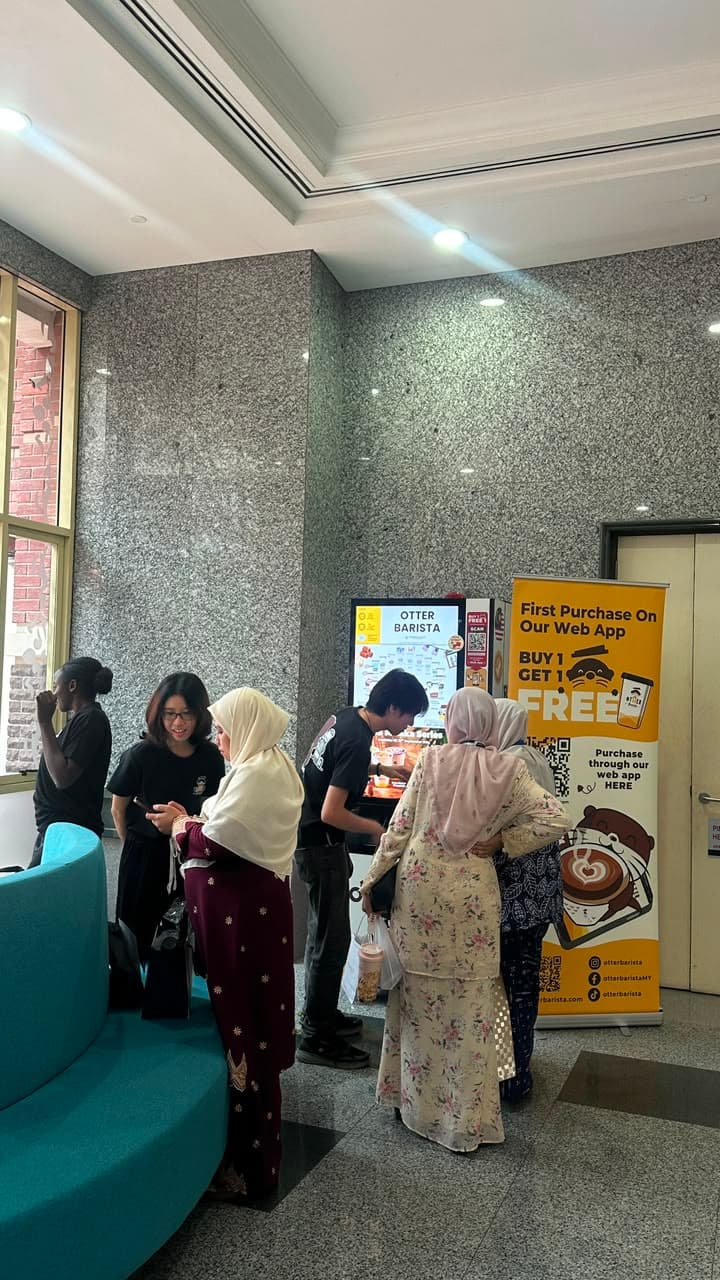
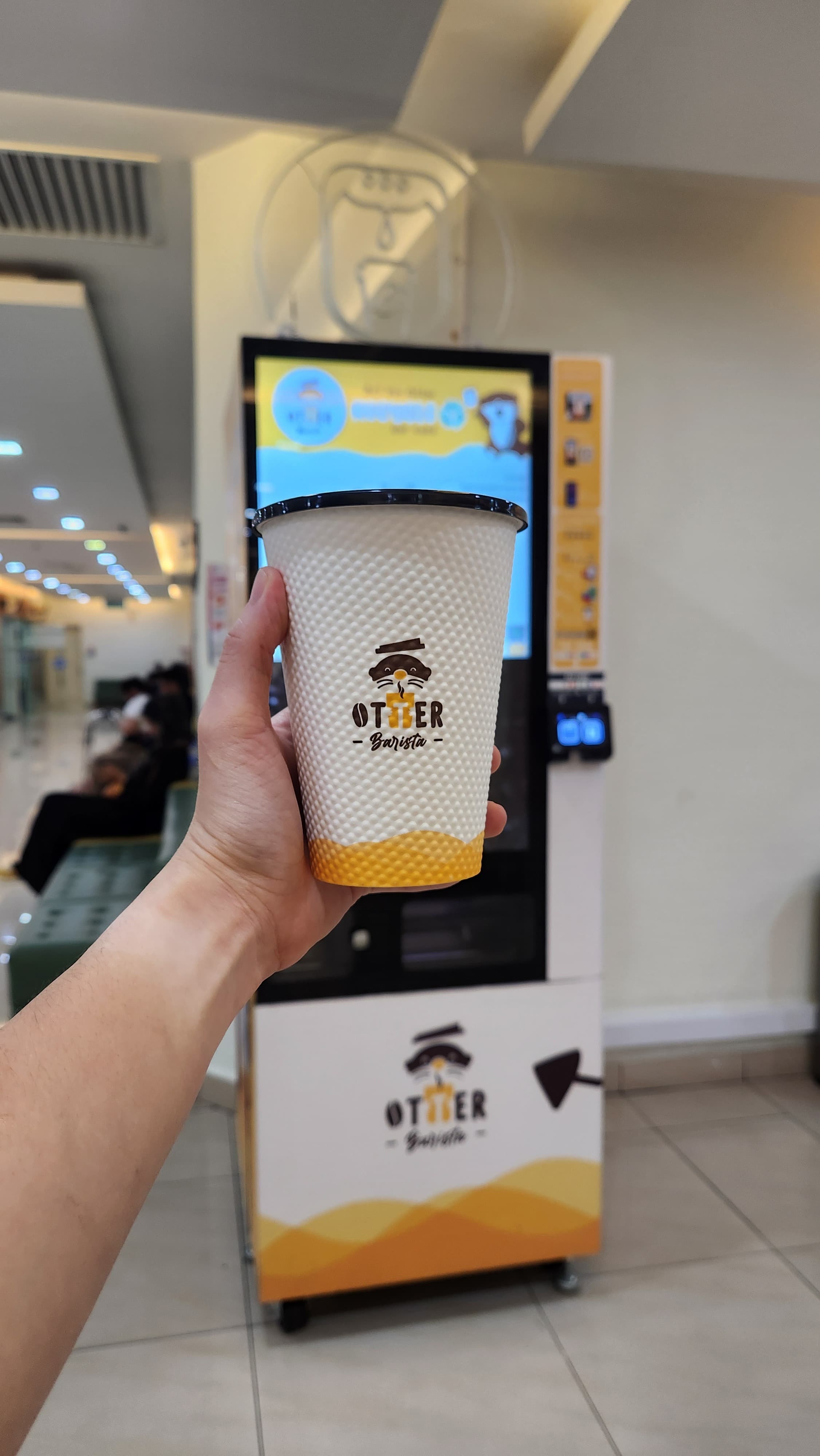
Otter Barista's Pantry model is an example of the fully managed approach. We place the machine, we keep it stocked with fresh-ground Arabica coffee, and our team services it regularly. The cost is yours to cover, and in return, the coffee just works. If you want to understand how that compares to our public-access machine placement, you can read about the Host model here.
What to ask about the coffee itself
This is where a lot of buyers do not dig deep enough, and then spend twelve months mildly disappointed every morning.
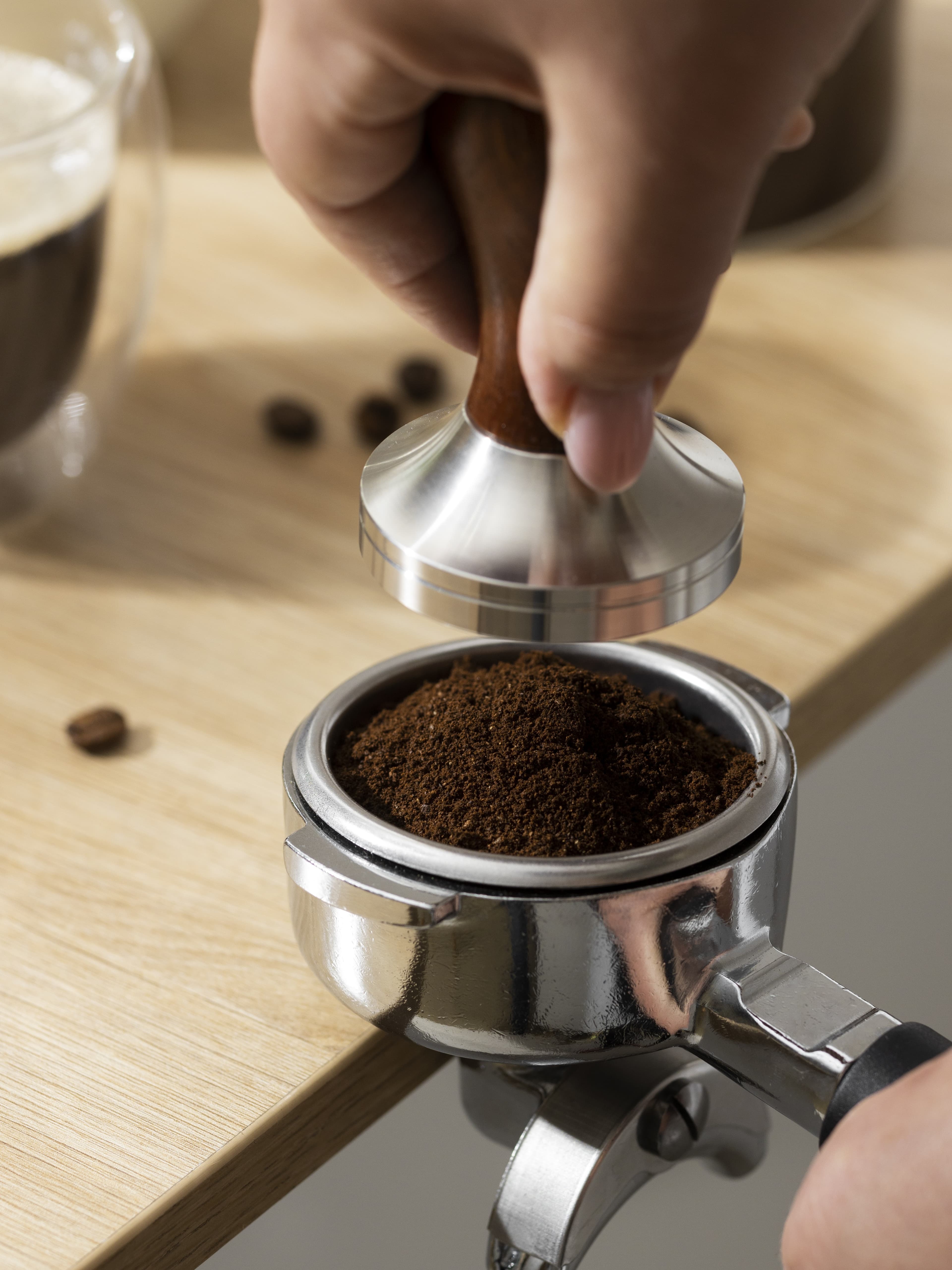
The first thing to ask is how the machine prepares the coffee. There are three broad approaches: capsule machines, instant or soluble systems, and bean-to-cup machines that grind fresh beans for every cup. Bean-to-cup produces noticeably better espresso because the grind happens at the point of extraction, which keeps the aromatics intact. If café-quality coffee is what you want, bean-to-cup is where to start.
The second question is about the beans themselves. Ask where they come from, how they are roasted, and how recently. Generic or unspecified blends tend to produce generic coffee.
As a concrete example: the coffee Otter Barista uses is a blend of Brazilian and Indian Arabica, roasted locally in Malaysia. Every cup is ground fresh at the machine. That is a specific, traceable answer to a question buyers should be asking of every supplier they speak to.
The third thing worth asking about is milk. If you want lattes and mochas, find out how the machine handles milk. Otter Barista uses dairy powder from New Zealand rather than fresh milk. This is worth being upfront about: the reason is not cost, it is quality consistency. Fresh milk sitting in a machine for days degrades in ways that powdered milk does not. We tested both and the powder held up better. Some people have a preference for fresh milk and that is a fair thing to weigh up. The point is to ask, so you know what you are getting.
Halal and compliance: what Malaysian offices need to confirm
For many Malaysian corporates, GLCs, and government-linked offices, Halal compliance is not optional. It shapes which suppliers you can even put on a shortlist.
Do not assume. Ask every supplier directly whether their products carry Halal certification, and ask for written confirmation rather than a verbal assurance. This applies to the beans, the milk, any flavoured syrups, and the cleaning products used in the machine.
We are not going to make a Halal certification claim for Otter Barista here because this is a question you should ask us directly and verify yourself. The same applies to any supplier. A good supplier will have a clear answer and documentation to back it up. A supplier who hedges or gives you a vague "suitable for all" response is not giving you what you need.
If Halal compliance is a hard requirement for your office, put the question at the top of your list before anything else.
Service and maintenance: the question most buyers forget until it is too late
The machine sitting broken on a Tuesday morning is the real cost nobody prices in when they are comparing suppliers.
Most buyers focus on the machine specs and the coffee quality, which makes sense. But what actually determines whether your office coffee runs well over twelve months is the service behind it. How often does someone visit to clean and restock? Who do you call when something goes wrong? How fast do they respond? What happens if a part needs to come from another city?
The Otter Barista approach is built on this belief: the technology is the easy part. What keeps the coffee consistent is the team that services every machine every week. Not once a month. Not when you chase. Weekly.
Real examples of what good service looks like: a technician who actually responds to a late-night message about a machine that tastes off, and an operations team that gets a replacement part to a machine in another city quickly when a sensor fails. That is the boring work that most suppliers do not talk about in their pitch. It is also the work that matters most after you sign.
When you are speaking to any office coffee supplier, ask these questions directly. Who is my contact? What is your response time when the machine is down? What is the process if a part needs to be sourced? Vague answers to specific questions are a reliable warning sign.
Cost and contracts: what to expect and what to negotiate
We are not going to publish specific prices here because pricing varies depending on your location, your team size, how many cups you expect per day, and the service model you choose. If you want a real number, request a quote and we will put together something specific to your setup.
What we can tell you is what the cost structure typically covers in a fully managed pantry arrangement: the machine, the coffee supplies, the restocking runs, and the servicing. You are not paying for just a machine or just the beans. You are paying for the whole thing to work without you having to manage it.
On contracts, the things worth asking about before you sign are minimum term length, what happens if your office moves, and what happens if your headcount changes significantly. These situations come up more often than buyers expect. A supplier that has clear, fair answers to these questions before you sign is one that has thought about the long-term relationship, not just the sale.
How to shortlist and trial a supplier
When you have narrowed your list down to two or three office coffee suppliers worth talking to seriously, here is a practical checklist to work through before you commit.
Ask for a tasting session or demo. Any supplier confident in their product will say yes. Taste the coffee at your office, not in a showroom. See how the machine handles your team's actual order patterns.
Ask who owns the machine. In a rental or managed arrangement, the supplier typically retains ownership. That is fine, but confirm it so you know where responsibility sits.
Ask who to call when it breaks. Get a name and a number, not a generic support email. Find out the hours they operate and the expected response time.
Ask where they service. Otter Barista currently covers Klang Valley, Penang, Perak, and Pahang. If your office is in one of those regions, we can talk specifics. If you are elsewhere, we will tell you honestly rather than overpromise.
Ask for a short trial if it is available. Committing to a supplier for a year based on a single tasting is a risk. If a trial period is possible, take it.
If you want to ask us any of these questions directly, you can reach us on WhatsApp at +60 17 357 2087 or email hello@otterbarista.com. Or just visit our office coffee page and tell us a bit about your setup. No hard sell. Just an honest conversation about whether we are the right fit for your office.
For more helpful reads on how workplace coffee works, including guides on hospitals, office setups around Klang Valley, and event coffee, head to our resources page.